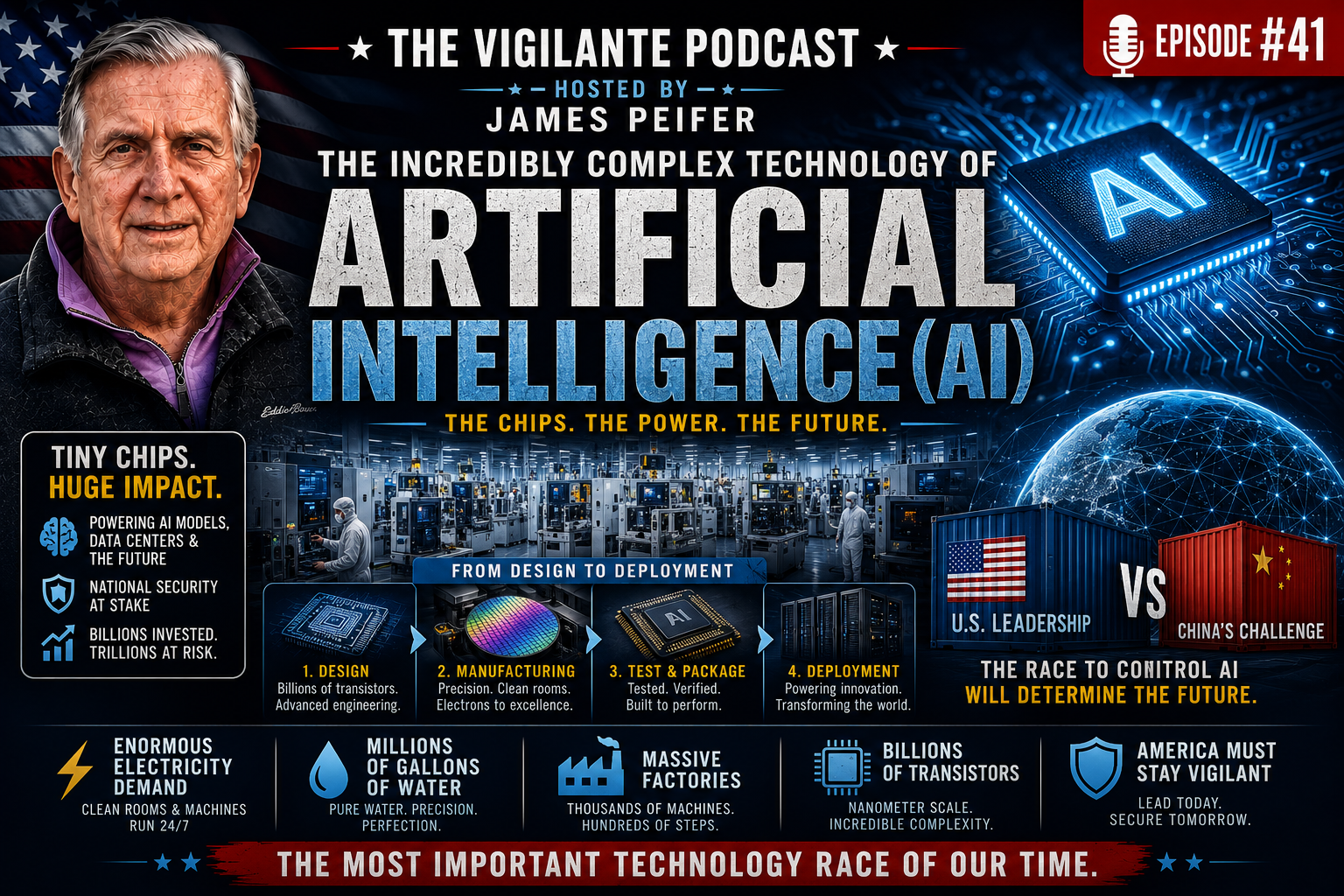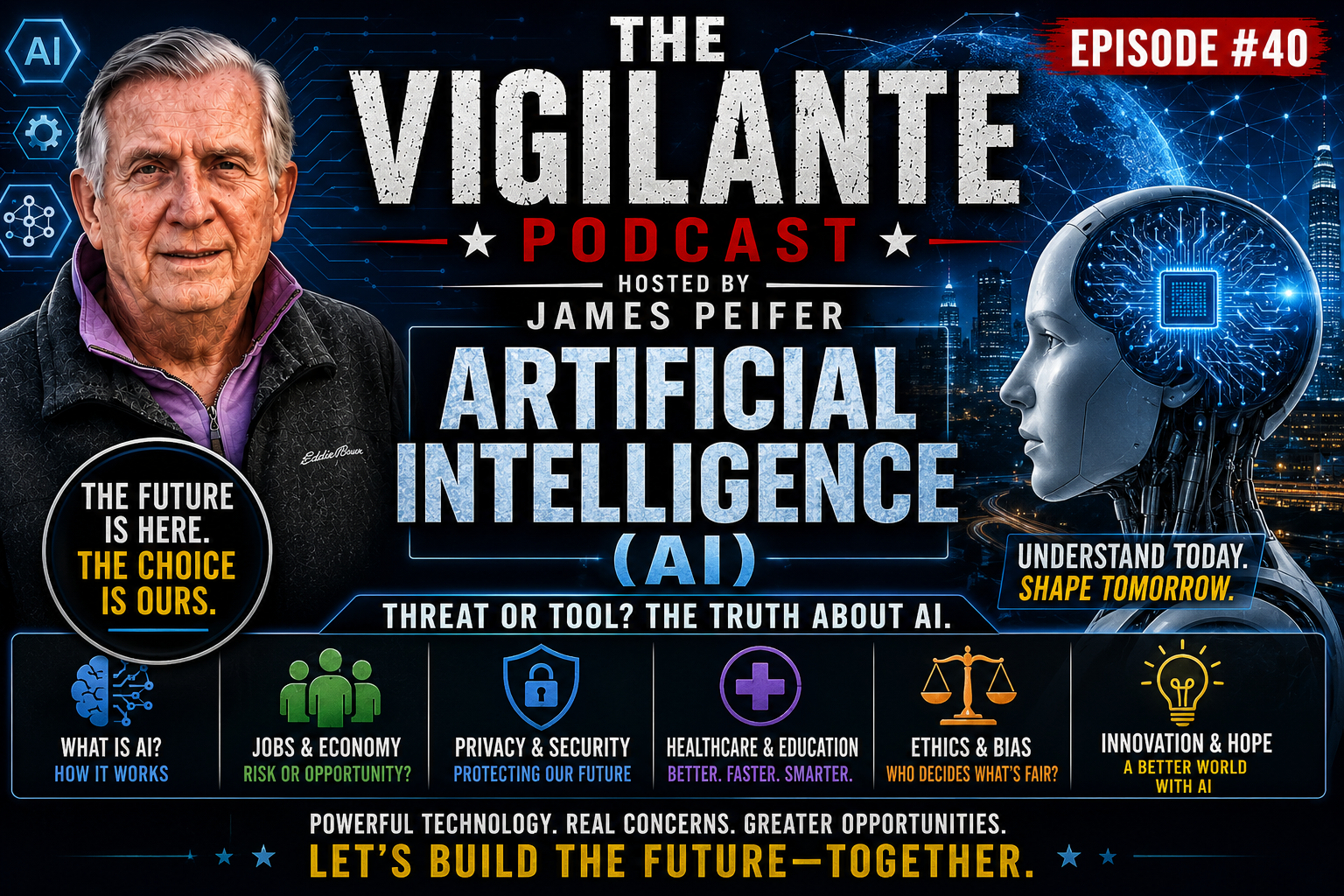

People often fear what they do not know or understand because uncertainty can feel threatening. As a result, the human brain developed a tendency to treat the unknown as a potential risk until it is better understood. Sometimes caution is wise when evaluating new technologies.
Artificial intelligence (AI) is a type of computer technology designed to perform tasks that normally require human intelligence. In simple terms, it is a computer system that can learn from information, recognize patterns, and respond to questions or problems.
One may think of AI as a very advanced tool that has been trained in large amounts of data. Just as a person learns by reading books, watching events, and gaining experience, an AI system learns by analyzing vast amounts of text, images, sounds, or other information.
Examples of AI include:
- Voice assistants like Siri or Google Assistant – capable of answering questions and following commands.
- Navigation applications that predict the fastest route based on traffic conditions.
- Email spam filters that identify unwanted messages.
- Streaming services that recommend movies or music based on your interests.
- Chatbots, such as ChatGPT, that can carry on conversations and help answer questions.
AI is not a person and does not have feelings, consciousness, beliefs, or personal experiences. AI does not “think” the way humans do. Instead, it uses mathematical models and patterns learned from data to generate responses or make decisions.
A simple analogy is that AI is like a highly sophisticated calculator. A calculator uses math to solve arithmetic problems. AI uses much more complex mathematics and enormous amounts of data to handle tasks involving language, images, decision-making, and prediction.
Different types of AI are:
- Narrow AI – designed for specific tasks, such as facial recognition or language translation. Almost all AI in use today falls into this category.
- General AI – a hypothetical future form of AI that could perform virtually any intellectual task a human can do. This does not currently exist.
In layman’s terms – AI is a computer system that has been trained to recognize patterns and solve problems in ways that can sometimes resemble human intelligence and helping people perform tasks more quickly and efficiently.
___
Currently, there are many things AI cannot do:
- AI does not think like a human being. It can produce answers that sound intelligent, but it does not have human understanding, awareness, or common sense in the way people do.
- AI does not have consciousness. It is not self-aware, does not experience emotions, and does not have feelings, hopes, fears, or desires.
- AI cannot independently decide what is morally right or wrong. It can discuss ethical principles, but it does not possess a personal moral compass or values.
- AI cannot “reliably” predict the future. It can analyze trends and probabilities, but it cannot know with certainty what will happen tomorrow, next year, or in any complex situation.
- AI cannot create knowledge out of nothing. AI works from information, patterns, and data. It does not magically discover facts without evidence.
- AI can be wrong. AI may provide inaccurate information, misunderstand a question, or generate convincing but incorrect answers.
- AI cannot replace human judgment in important decisions. Decisions involving law, medicine, national security, personal relationships, or major financial choices – still require human oversight and responsibility.
- AI cannot perform physical tasks by itself. Unless connected to machines or robots, AI cannot build a house, repair a car, arrest a criminal, or care for a patient.
- AI does not have personal experiences. AI has never been a child, raised a family, served in the military, worked a job, or lived through hardship. It can describe these experiences but has never experienced them.
- AI cannot guarantee truth. It can provide information and analysis, but users should verify important facts through reliable sources and advice.
A useful way to think about AI is to consider AI as a powerful tool for processing information and generating content, but it is not a human mind. It can assist people with many tasks, sometimes remarkably well, but it lacks consciousness, genuine understanding, personal experience, and independent responsibility.
___
Concerns about the widespread implementation of AI technology range from practical issues affecting jobs and privacy to more speculative concerns about long-term societal impacts.
- Job Loss and Economic Disruption – Critics argue that millions of workers in fields such as transportation, customer service, manufacturing, accounting, and even some professional occupations could be displaced. The concern is that new jobs may not be created quickly enough to replace those lost, leading to unemployment, wage pressure, and greater economic inequality.
- Loss of Privacy – AI systems often rely on enormous amounts of data. Some people fear that governments, corporations, or criminal elements could use AI-powered surveillance tools to monitor citizens, track behavior, analyze personal communications, and collect detailed information about individuals without their knowledge.
- Misinformation and Manipulation – AI can generate convincing text, images, audio, and video. Critics argue that this could make it easier to create fake news, fraudulent content, and deceptive content that appear authentic. They worry that this could undermine trust in media, influence elections, damage reputations, and make it harder for people to distinguish fact from fiction.
- Security Risks – AI can be used for beneficial purposes, but it can also be misused. Concerns include AI-assisted cyberattacks, automated scams, identity theft, and the development of increasingly sophisticated digital threats. Some experts also worry about the use of AI in military systems and autonomous weapons.
- Concentration of Power – A significant concern is that advanced AI technology may be controlled by a relatively small number of large corporations or governments. Critics argue that organizations with access to the most powerful AI systems could gain enormous economic, political, and informational advantages over competitors and the public.
- Bias and Unfair Decisions – AI systems learn from historical data. If that data contains errors or biases, the AI may reproduce or amplify those biases. Critics point to potential problems in hiring, lending, criminal justice, healthcare, and other areas where AI-generated decisions could unfairly affect people’s lives.
- Dependence of Technology – Some critics argue that society may become overly dependent on AI for decision-making, problem-solving, and everyday tasks. If people rely too heavily on automated systems, important human skills such as critical thinking, judgment, and expertise could weaken over time.
___
Why American Society Should Embrace AI Technology
Many Americans believe AI technology should be embraced because it has the potential to improve everyday life in much the same way that electricity, automobiles, computers, and the internet transformed society. While AI brings challenges that must be managed responsibly, it also offers significant opportunities.
Education
AI can act like a personal tutor available 24 hours a day. Students who struggle with math, reading, science, or writing can receive individualized help at their own pace. Teachers can spend less time grading papers and more time helping students learn. A student living in a rural town or in inner city housing, could gain access to educational resources comparable to those available in more affluent areas, helping reduce educational inequality.
New Jobs and Economic Growth
Throughout history, new technologies have often created more jobs than they eliminated.
AI is expected to create new careers in areas such as:
- AI development and engineering
- Robotics maintenance
- Cybersecurity
- Healthcare technology
- Data analysis
- AI training and oversight
- Education and workforce retraining
Just as the Internet created careers that did not exist decades ago, AI is likely to generate entirely new industries and opportunities.
Better Healthcare
AI can help doctors detect diseases earlier, analyze medical images more accurately, and develop treatments faster. It can assist hospitals by reducing paperwork and helping medical professionals focus on patient care.
Potential benefits include:
- Earlier cancer detection
- Faster diagnosis of illnesses
- Improved drug development
- Better healthcare access in underserved communities
- Reduced medical costs over time
Reducing Crime
Law enforcement agencies can use AI to identify crime patterns, analyze evidence more quickly, and improve emergency response times. Financial institutions can use AI to detect fraud and protect consumers from scams.
Examples include:
- Identifying suspicious financial transactions
- Locating missing people
- Improving cybersecurity
- Predicting crime hotspots for increased patrols
- Detecting online fraud schemes
These tools must be used carefully to protect privacy and civil liberties.
Helping Lift People Out of Poverty
One of AI’s most promising possibilities is increasing productivity. When businesses can produce goods and services more efficiently, costs may decrease and economic growth may increase.
AI could help:
- Farmers improve crop yields
- Small businesses compete more effectively
- Workers gain new skills through personalized training
- Entrepreneurs start businesses with lower costs
- Remote communities access education and healthcare
In developing regions, AI-powered tools may provide services that were previously unavailable due to shortages of teachers, doctors, or technical experts.
___
AI is not simply about replacing human labor. It is a tool that can help people become more productive, healthier, safer, and better educated. If implemented responsibly – with appropriate safeguards, oversight, and worker training – AI could improve quality of life for people across nearly every level of society.
History has shown that new inventions such as automobiles, airplanes, computers, the Internet, and even electricity were initially met with skepticism or fear by some people. Over time, as people learned more about them and saw their benefits and limitations, much of that fear diminished.
AI works best when it complements human abilities rather than replacing them. Humans provide judgment, creativity, ethics, and leadership. AI provides speed, analysis, and assistance. Together, they can potentially solve problems that would be much more difficult for either humans or machines to address alone.
James Peifer